Let's talk about what vaginal atrophy actually is
Vaginal atrophy, or genitourinary syndrome of menopause, isn't a sign that your body is broken. It's a measurable change in tissue thickness and moisture that happens when estrogen drops. The vaginal walls thin, natural lubrication decreases, and the tissue becomes more fragile. That's the clinical part. What it feels like is pain during sex, dryness that doesn't respond to extra foreplay, and sometimes itching or burning that shows up even when you're not being touched.
Here's the thing nobody tells you: this is treatable. Not something you have to live with, not something that means your sex life is over.
Why clitoral vibrators are different from penetrative toys
When vaginal tissue is thinned and sensitive, penetration can feel like friction against paper. A penetrative toy, no matter how gentle, creates mechanical pressure that fragile tissue can't handle. Clitoral vibrators work differently. They stimulate the clitoris, which has its own nerve density and doesn't rely on vaginal lubrication to feel good.
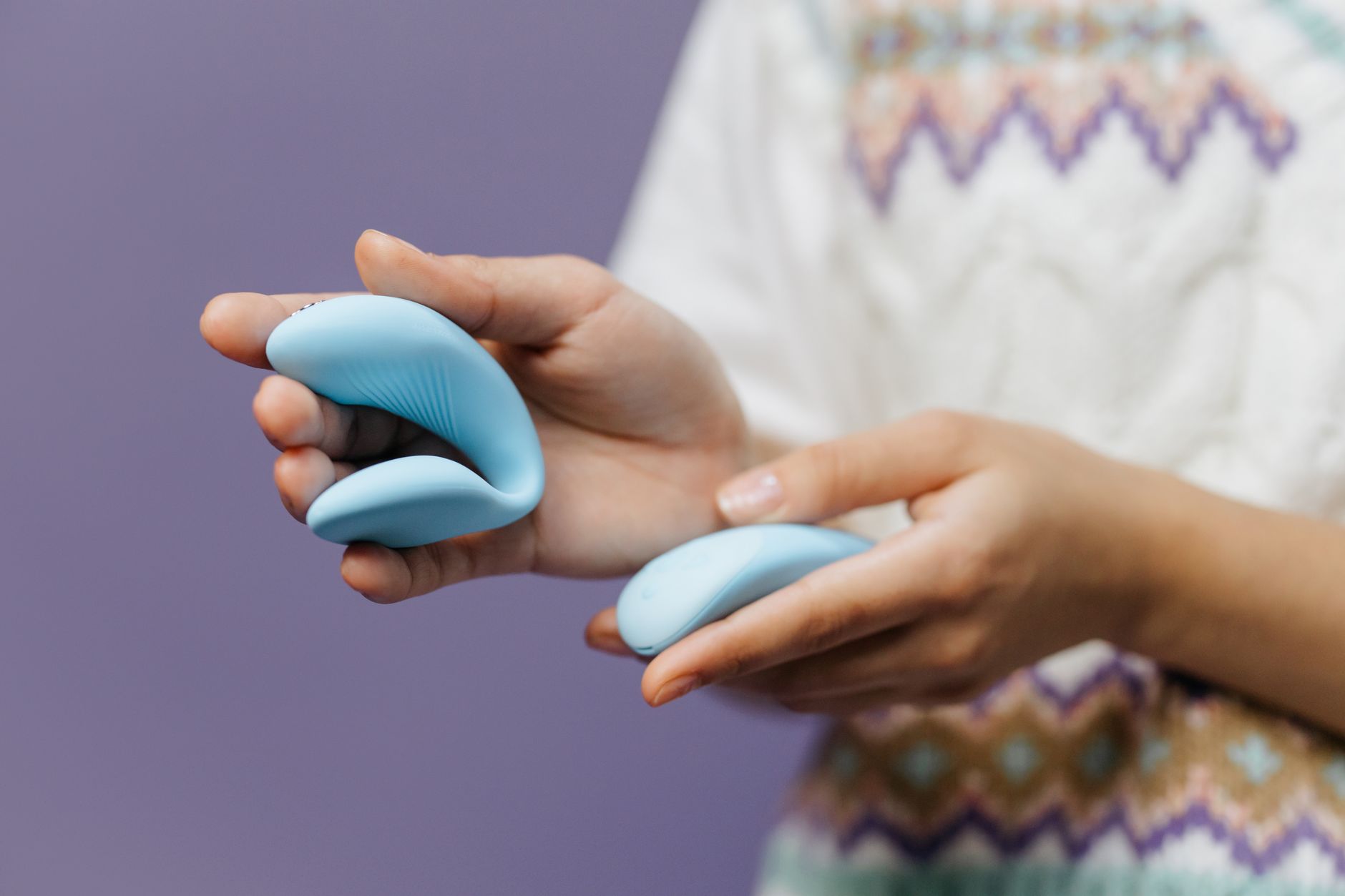
This is why a lemon clitoral vibrator becomes useful during atrophy recovery. The clitoris remains relatively stable through hormonal changes. It doesn't thin. The suction pattern of a lemon toy stimulates without aggressive friction. You're engaging pleasure pathways that don't require the tissue that's currently healing.
That said, if you're experiencing pain, you should see a gynecologist first. Topical estrogen creams work fast, sometimes within two to three weeks. Your doctor can also check for other causes of pain that have nothing to do with atrophy.
The lubrication piece (it's not optional)
Even with clitoral stimulation, lubrication matters. Your vulva still benefits from it, and the psychological experience of wetness often makes pleasure feel more accessible. Use a water-based or hyaluronic acid lubricant. Silicone lubes feel richer but can damage silicone toys, and this isn't the time to complicate things.
Apply lube generously. Not just to your vulva but to your hands and the toy itself. The goal is to reduce any sensation of friction while you're exploring. Some people find that using lube makes the experience feel less clinical and more like actual pleasure, which matters.
If you're in a relationship, your partner can apply lube for you. That small act of care often signals to your nervous system that this is a safe, collaborative experience, not a medical procedure.
How to start using a lemon clitoral vibrator during recovery
Begin with the lowest settings. Most clitoral vibrators have multiple patterns and intensities. Start at pattern 1, intensity 1. This sounds conservative because it is. Your tissue is healing, and your nervous system might be cautious about sensation after months or years of pain.
Use the toy externally only. Place it against the outer edge of your clitoris rather than directly on the tip, which can feel overwhelming. The suction action of a lemon vibrator is gentler than traditional vibration, which is why it works well here.
Sessions don't need to be long. Five to ten minutes is enough to reconnect with pleasure. You're not chasing an orgasm yet. You're retraining your brain that touch equals good, not pain.
If anything feels sharp or burning, stop. That's your signal that the tissue isn't ready, or that you need more lube, or both.
The mindset piece matters as much as technique
Before and during atrophy, pain often trains your body to brace. Your pelvic floor tightens protectively. Even after physical healing, that protective tension lingers. Your nervous system doesn't trust that touch will be safe.
When you use a lemon vibrator during recovery, you're also giving your nervous system permission to relax. That takes repetition. It takes gentleness with yourself on days when arousal feels distant. It takes releasing the idea that this should work a certain way.
If you're partnered, tell your partner what you're doing. Not in a way that makes it transactional, but genuinely. Something like, "I'm relearning what feels good. I might need to go slow." That clarity helps them stop wondering if they've done something wrong and helps them support you instead.
Moving beyond clitoral exploration
Once your tissue has healed (usually after topical treatment), and once you've spent two to three weeks using a lemon vibrator without pain, you can slowly expand what you explore. This doesn't mean jumping to penetration. It means gradually introducing more sensation.
You might explore the vestibule, the area just inside the vaginal opening, with lube and a gentle touch. You might try a smaller toy designed for internal use, though many people find they prefer staying with external clitoral stimulation even after healing. There's no timeline and no "should." Your body tells you when it's ready.
If you want to restore some vaginal sensation alongside clitoral work, pelvic floor physical therapy helps rebuild tone without aggravating atrophy. A pelvic floor specialist can teach you how to strengthen without tensing, which matters.
When to involve your partner in this process
If you're in a relationship, your partner's fingers can do everything a vibrator does, sometimes better. They have temperature, dexterity, and real-time feedback. Once you've reclaimed pleasure on your own, involving your partner becomes less loaded. You know what works. They're joining an exploration you've already started, not initiating something you're unsure about.
Start with hands, no penetration. Add lube. Let arousal build slowly. Many partners are relieved to learn that clitoral focus actually feels better during this phase than penetration anyway.
Managing expectations around orgasm
After months or years of pain, orgasm often feels distant. Your body might be out of practice. Arousal might build more slowly. This is normal and temporary. Don't chase it. Focus on sensation instead. The orgasm will often follow once your nervous system trusts that sex is safe again.
If orgasm doesn't return for a while, that's also okay. Some people find that the pleasure of touch and connection matters more than climax. Others find that the absence of pressure to orgasm actually makes orgasm easier when it does return. Trust the process.
FAQ
Can I use a lemon vibrator if I haven't started vaginal estrogen yet?
Yes, but gently. If you're in active pain, talk to your doctor first. Vaginal atrophy pain is often resolved within weeks of starting topical estrogen. Once you've done that, a lemon clitoral vibrator becomes a useful tool for rebuilding comfort. If you're choosing not to use estrogen, you can still use a vibrator, but expect the process to take longer and require more patience.
Will using a vibrator delay healing?
No. Gentle external clitoral stimulation doesn't interfere with vaginal tissue healing. It actually helps by improving blood flow and reconnecting you with pleasure. The key word is gentle. If you're causing pain, you're not being gentle enough yet.
How long does it usually take to feel comfortable with pleasure again?
That varies wildly. If you start topical estrogen, tissue changes show up in two to three weeks. Nervous system rewiring takes longer, usually four to eight weeks of regular gentle exploration. Some people feel ready for partnered sex sooner. Others take months. There's no standard timeline.
Should I tell my partner I'm doing this, or keep it private?
If you're in a relationship, telling them removes secrecy that often creates distance. You don't need to narrate every session. But something like, "I'm working on rebuilding comfort after the atrophy. I'm using a vibrator to help with that," opens the door for them to support you instead of wonder what's happening.
What if sensation still feels numb even with a vibrator?
Numbness sometimes lingers after the physical healing of atrophy, usually because of pelvic floor tension. A pelvic floor physical therapist can help. In the meantime, try longer warm-up sessions with lots of lube and very low vibration settings. Some people find that taking breaks and coming back helps, rather than pushing through numbness.
Can I use a clitoral vibrator if I have partner penetration happening at the same time?
Yes. Many people find that clitoral stimulation during gentle penetration (once the tissue has healed) bridges the gap between external and internal sensation. Use plenty of lube, go slowly, and communicate constantly.
Rebuilding pleasure is a process, not a rush
Vaginal atrophy is a real, measurable thing that happens to plenty of people. It's not a reflection of your body failing you. It's a side effect of hormonal changes that modern medicine has actual tools for. A lemon clitoral vibrator, combined with lubrication and patience, is one of those tools. Your pleasure matters. Your comfort matters. And you get to define what rebuilding looks like for you.
Resources and next steps
If you're navigating atrophy recovery and want support beyond the physical tools, consider talking with a therapist who specializes in sex and relationships. They can help untangle the emotional weight that pain often carries. Your gynecologist can also refer you to a pelvic floor physical therapist if you want specialized support. You're not the first person doing this, and you won't be alone.