Your surgeon probably didn't mention sex much during your recovery plan. Most don't. That gap between "no heavy lifting" and "you're cleared for normal activity" is where a lot of people get confused about pleasure, timing, and whether they're allowed to want it yet.
Here's what I see in my practice: people assume pelvic surgery is a stop sign. It's actually more like a detour. Your body needs time. Your nervous system needs recalibration. But the capacity for pleasure is still there, waiting.
Surgical clearance (usually 6 weeks) is not the same as tissue readiness. Your surgeon is checking whether your incision has closed and basic inflammation has calmed. That's important. But internally, especially after hysterectomy, myomectomy, or endometriosis excision, nerve endings are reorganizing, scar tissue is forming, and your pelvic floor is relearning how to relax after being handled.
Most people aren't ready for partnered sex at week 6. Many aren't ready at week 10. And that's completely normal. The medical clearance is a floor, not a ceiling.
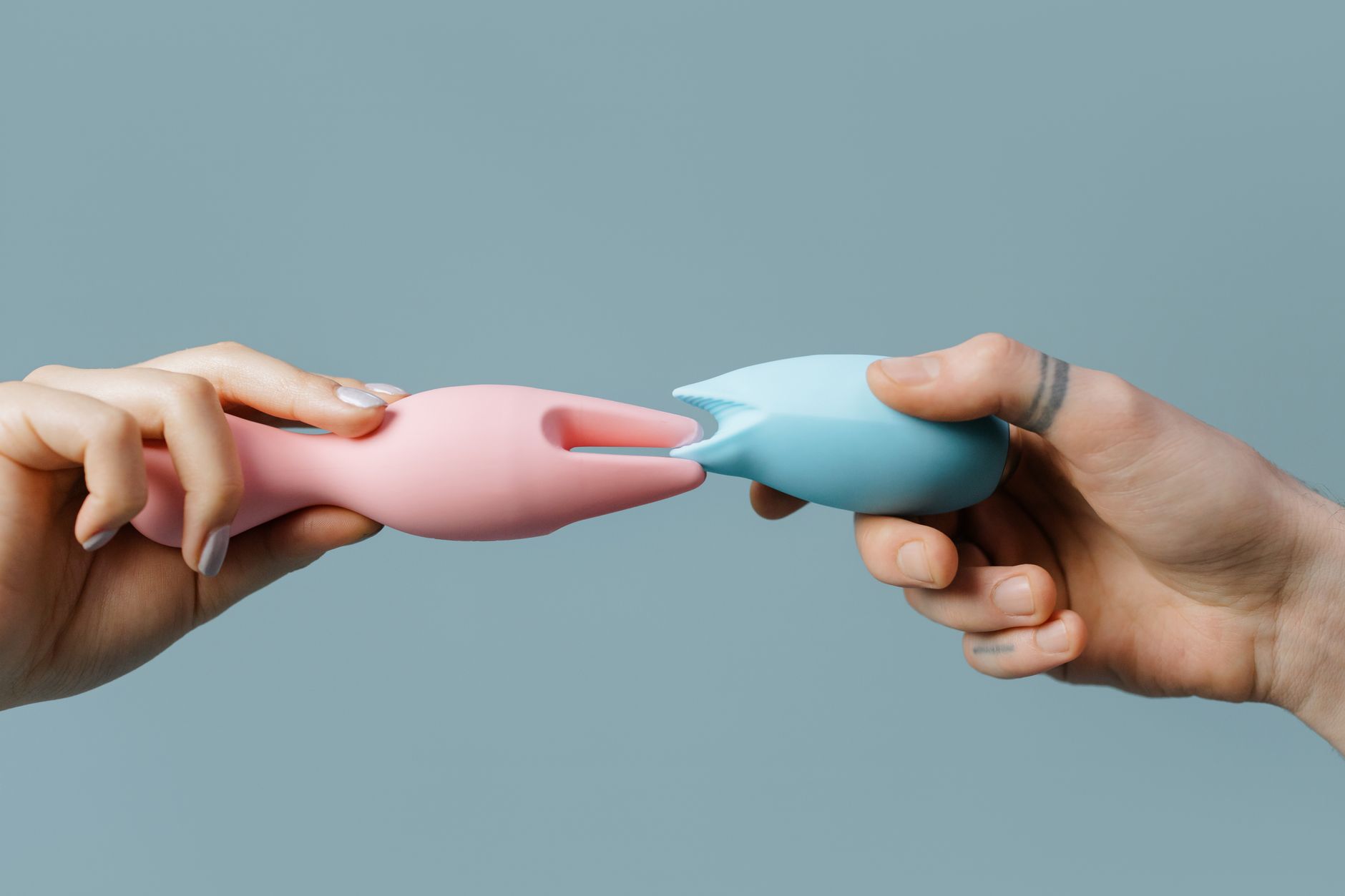
Solo touch, though? That's different. You can explore sensation much earlier. No penetration, no intensity, just your hands, then maybe something gentle like a lemon vibrator set to its lowest pattern. This matters because it does two things: it signals to your nervous system that sensation is safe again, and it helps you map where you actually feel pleasure post-surgery, which changes.
Nerve pathways got interrupted. During surgery, nerves got moved, stretched, or temporarily desensitized. This is not permanent, but it means arousal might feel duller, farther away, or weirdly localized. Some people report that their most sensitive spots have shifted a few inches. That's neurologically real.
Scar tissue is forming. This is necessary and part of healing. But it can initially reduce tissue elasticity and create tension in the pelvic floor. Gentle vibration (not intense) actually helps scar tissue remodel by encouraging circulation and gradually improving tissue quality.
Your pelvic floor is guarding. After surgery, your pelvic floor muscles tense up as a protective reflex. It's like a fist clenching. Until those muscles learn to relax again, arousal feels locked, orgasm feels blocked, and entry (if you want it) feels tight or painful.
When you're ready to introduce something beyond touch, here's what works:
Wait until you're off painkillers. Not because there's danger, but because opioids numb sensation. You need to feel what's actually happening in your body to know if something is helping or hurting.
Start external only, no penetration. A lemon clitoral vibrator is perfect for this because it's designed for external stimulation. It doesn't ask your internal tissues to do anything they're not ready for.
Begin at pattern 1 or 2. The Lem vibrator has seven patterns. Most people use 4 or 5 as their baseline. Post-surgery, pattern 1 feels like an introduction to your clitoris, not a conversation you've already had a hundred times. This slowness is the point.
Use this test: am I feeling pleasure or sensation? Pleasure is warm, building, directional. Sensation is just information. In early recovery, you might feel the vibration without pleasure. That's fine. Keep going gently. Pleasure usually returns in 2-4 weeks of this gentle, regular touch.
Lubricate generously even externally. Pelvic surgery reduces local blood flow temporarily, which means less natural lubrication everywhere. Water-based lube makes everything feel smoother and reduces friction on healing tissue.
If you have a partner, this is the conversation to have before you try anything:
Your partner might feel guilt, uncertainty, or hesitation. Surgery on your body can trigger their own anxiety about hurting you or pushing you. That's fair and human. But it's a separate topic from your recovery plan.
Tell them: "I'm going to explore my body gently as part of healing. That's not pressure on you to do anything right now. I'm learning what still feels good. I'll tell you when I'm ready to include you."
Keep it that simple. Most people are relieved to have a clear boundary. It removes the guesswork.
When you do want to involve a partner again, external touch with a lemon vibrator is actually ideal. It's something you control, it adds novelty (which helps restart arousal), and it removes pressure from your partner to "know what to do" with a body that feels foreign to both of you right now.
Here's what I see most often: the body heals faster than the mind catches up. You clear surgery. You can walk. You feel pretty normal. Then you try to be intimate and it feels like your body isn't yours anymore.
That's not a physical problem. That's dissociation. It's your nervous system protecting you because the last time something happened to that body, it was surgical and not something you chose.
This is where regular, self-directed pleasure with something like a lemon clitoral vibrator becomes genuinely therapeutic. You're proving to your nervous system: "I'm in charge here. I'm choosing this. It feels safe." That's the real healing work.
If this feeling persists past 12 weeks, talk to a pelvic floor physical therapist. Sometimes gentle manual therapy helps reset your nervous system's fear response.
Internally, wait longer than you think you need to. I usually recommend 10-12 weeks post-surgery before trying anything inside, even with a tiny toy or a partner's finger. By then:
Your incisions are fully sealed. Your tissues have some elasticity back. Your pelvic floor has started relaxing again. Your nervous system has accumulated evidence that touch is safe.
When you do try: go slower than you used to. Your internal sensation map has changed. Your partner (if there is one) might need guidance about angle, pressure, and depth. What used to feel great might feel uncomfortable now. That's information, not failure.
Some people find that after pelvic surgery, they need external stimulation (like a lemon vibrator) at the same time as internal touch. That's not weakness. That's your body telling you what helps. Listen to it.
Full recovery from pelvic surgery in terms of sensation and comfort usually takes 4-6 months, not 6 weeks. That might sound long. It's actually typical. Your body underwent an invasion. Nerves, tissue, and your entire pelvic floor need time to relearn safety and pleasure.
Some people are back to their baseline by 3 months. Others take longer. There's no deadline. The goal is not speed. The goal is reconnecting with what feels good in a body that's changed.
That reconnection often feels deeper and more intentional than it did before surgery, because you had to pause and actually think about what you wanted. Most people I work with say their pleasure post-recovery feels more genuine, less automatic. You've earned that.
You don't need to tough this out alone. If pleasure doesn't start returning by 12 weeks, see a pelvic floor physical therapist. If pain shows up during or after touch, same thing. If you're feeling stuck emotionally, a therapist who specializes in medical trauma or sexual health can help you process what surgery did to your relationship with your body.
Your surgical team gave you physical clearance. You deserve support from someone who understands the emotional and sensory reality too.
Recovery is not linear. Some days you'll feel ready. Some days you won't. That's all normal. A lemon vibrator, used gently and on your own timeline, can be part of reminding your body that pleasure is still yours.