The disconnection is real, and it's not your fault
Here's what nobody warns you about after a relationship ends. Your body doesn't just grieve the person. It grieves the touch, the rhythm, the particular way they knew your body. And when that's gone, pleasure can feel foreign. Not lost. Foreign. Like you're trying to access a room in your own house that you suddenly don't have the key to anymore.
That physical and emotional divorce takes time. Most people try to rush it, assume they should feel something again by week three, and then feel broken when they don't. You're not broken. You're just rebuilding, and rebuilding requires a different approach than maintenance ever did.
Why your body went quiet
When you've been partnered, your nervous system learns to respond to that particular person's touch, rhythm, and presence. Pleasure in those moments wasn't just physical. It was anchored in familiarity, trust, and often dependency. When that anchor disappears, your nervous system gets confused. It's searching for a signal it recognizes and not finding it.
Add grief to that. Grief makes the body protective. Your nervous system isn't trying to be difficult. It's trying to keep you safe while you process loss. That's actually functional. It's not a malfunction.
The other thing that happens: many people in fresh heartbreak avoid pleasure because it feels like betrayal. Like wanting pleasure means you've already moved on, or means the relationship didn't matter. That's a story your grief is telling you, not reality. Pleasure and grief can exist at the same time. One doesn't erase the other.
The solo reconnection phase
Lemme be direct. If you jump straight into partnered sex or even partnered masturbation while you're in the acute phase of grief, you're likely to re-traumatize yourself. Not because partnered pleasure is bad, but because you haven't yet learned to trust your own body's signals again.
Solo exploration with a clitoral vibrator does something specific that partnered touch can't do right now. It puts you entirely in control. It removes the element of performance or reassurance. It's just you and what your body actually wants, free from the weight of needing to please someone else or prove something to them.
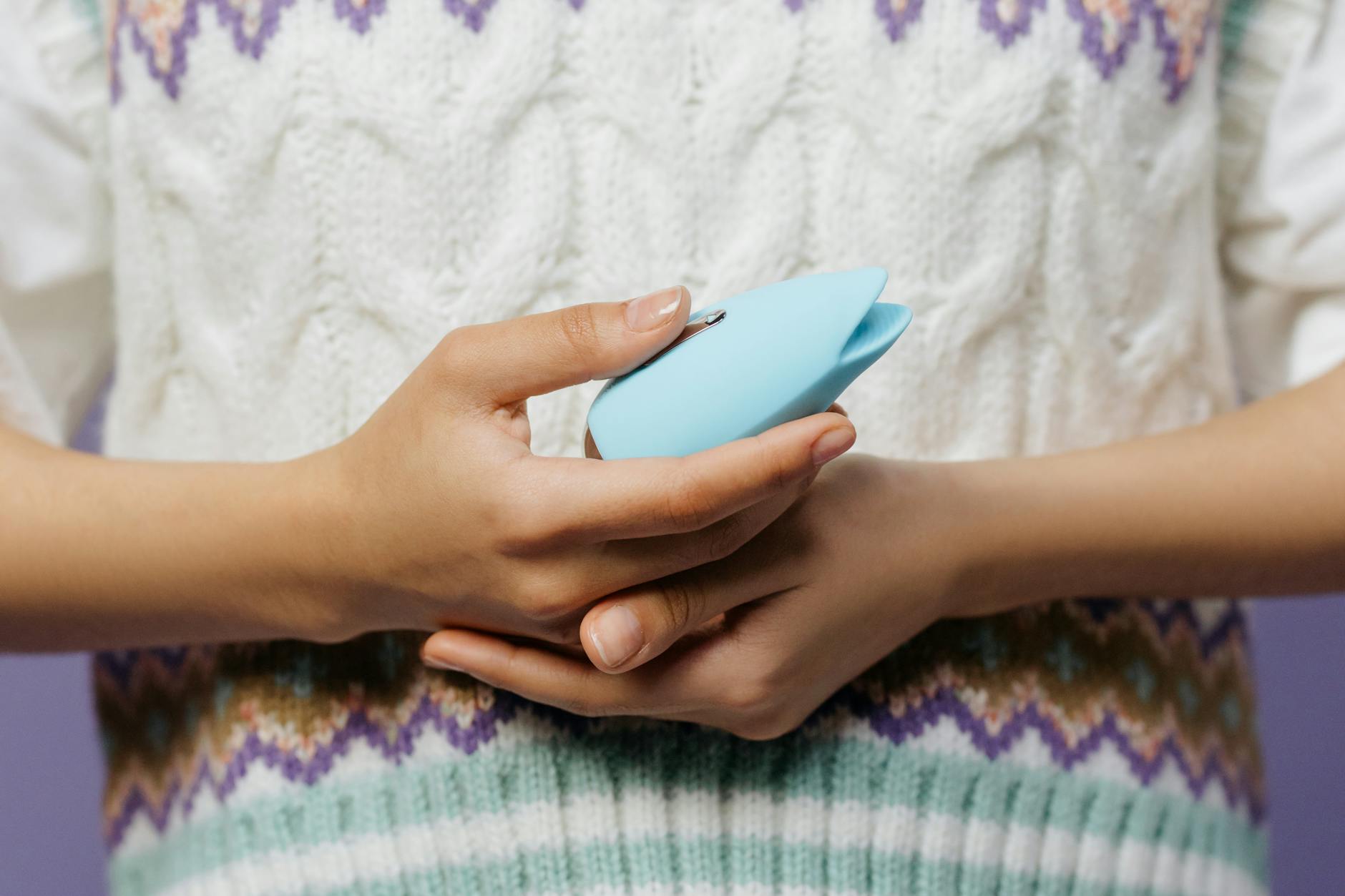
A lemon vibrator is particularly useful for this because the sensation is abstract enough to feel new. It doesn't mimic a specific kind of touch you associate with your ex. It's its own thing. The suction technology on devices like the Lem works by stimulating the nerve clusters without the direct friction of traditional vibrators. For someone rebuilding, that can feel less intense in a useful way. Less intrusive. More respectful of a body that's learning to trust itself again.
Starting when touch feels loaded
Many people in relationship loss find that they can't masturbate in the bedroom they shared, or at the time of day they used to have sex. That's not stubbornness. That's your nervous system being specific about what it's ready for. Honor that.
Start somewhere neutral. A different room. A different time of day. No pressure to orgasm. That's genuinely the first step. Just touch your own body without expectation. Your arm. Your neck. Your inner thighs. Not as foreplay. Just as reacquaintance.
When you introduce a lemon vibrator into this, start with the lowest settings. Many people moving through relationship loss need to build arousal very slowly. If your body went quiet, it didn't go dormant. It's there. It just needs permission and time.
Set a realistic window. Thirty minutes. No goal except to notice sensation. If arousal builds, great. If it doesn't, that's still data. You're learning what your body wants when nobody else is watching.
The rhythm of rebuilding
Let me be honest about one thing. The first time you orgasm after a breakup, many people cry. Or feel nothing. Or feel guilty. All normal. Your nervous system is processing multiple things at once. The physical release. The grief. The strangeness of pleasure without the person it was anchored to.
Do it again. And again. Your body needs repetition to reset its expectations.
Here's the practical rhythm I recommend to clients:
Week one to two. Solo exploration without a device. No pressure. Just touch and temperature and texture. Notice what feels good without agenda.
Week three onwards. Introduce the lemon vibrator at setting one. Use it for five to ten minutes. Again. No goal. Just sensation.
Week four onwards. If you want to build toward orgasm, do it. Use patterns one through three on devices like the Lem. Stay there for a while. Your body will tell you when it wants more intensity.
Week six onwards. You might notice that arousal comes faster. That your body remembers itself. That pleasure feels less loaded with grief. This is where you can start experimenting with what actually turns you on now, separate from what turned you on then.
That timeline is roughly. Every nervous system heals on its own schedule. Some people reconnect to pleasure in three weeks. Some take three months. The goal isn't speed. It's genuine reconnection.
When grief and arousal collide
Here's what catches people off guard. Sometimes when you're using a lemon vibrator in this phase, you'll feel more aroused than you have in months. And immediately, guilt or sadness will spike. Like you've betrayed something.
You haven't. Your body healing isn't disloyalty. Your body finding pleasure again isn't a statement about whether the relationship mattered. Pleasure is information. It's your nervous system slowly remembering that safety and joy are possible.
If sadness comes during solo pleasure, that's fine. Pause. Let yourself feel it. There's no rule that says you have to be aroused or productive. You can cry and hold a lemon vibrator and that's a completely valid part of rebuilding.
When to bring in external support
If weeks pass and touch still feels completely numb, or if using a lemon vibrator triggers panic or intense flashbacks, talking to a trauma-informed therapist matters. Relationship loss can wound the nervous system in ways that aren't obvious. Having professional support to rebuild that safety is genuinely valuable.
The same goes if you're noticing that avoidance is building. If you put the vibrator away and it feels like relief instead of rest, that's a sign you might benefit from talking to someone who specializes in the intersection of grief, trauma, and sexuality.
There's no shame in that. Reconnecting to your body after loss is real work, and it's the kind of work where professional guidance can accelerate and deepen your healing.
The part people don't talk about
Sometimes, pleasure becomes clearer after loss. Without the patterns and compromises of a relationship, you discover what you actually like. You learn that you can come faster alone than you ever did partnered. Or that you like a specific intensity or rhythm that you were too polite to ask for before. Or that you're hornier or less interested in sex than you thought.
That clarity is a gift. It's the part of rebuilding that points toward the future. Not toward getting over the loss, but toward building a version of sexuality and pleasure that belongs entirely to you.
A lemon vibrator in this phase isn't about replacing what you lost. It's about discovering what's possible when you're building from the ground up.
People also ask
How long after a breakup should I wait before using a vibrator?
There's no universal timeline. Some people are ready to reconnect to their own body within weeks. Others need months. The question isn't when you should wait, but when your body feels ready. If you're using a vibrator to escape grief rather than to reconnect to sensation, that's a sign to slow down. If you're curious and a little nervous, that's usually a green light.
Can using a lemon vibrator while grieving make the pain worse?
Not directly, but it can surface emotions you weren't expecting. Pleasure sometimes cracks open grief that you've been holding. That's not a sign to stop. It's a sign that your body is finally safe enough to process. If it becomes overwhelming, pause, breathe, and reach out to support. But brief sadness or tears during solo pleasure is actually part of healthy rebuilding.
What if I feel guilty for having pleasure after a breakup?
That guilt is your grief talking, not your truth. Your body healing isn't betrayal. Your nervous system finding joy again isn't a statement about the relationship. Guilt after loss is normal. It doesn't mean you're doing something wrong. If the guilt is really persistent, talking to a therapist who understands relationship loss can help you untangle what's really underneath.
Should I tell a new partner about my reconnection process?
You don't have to disclose your solo pleasure practice unless you want to. If and when you do become partnered again, you might eventually share what helped you rebuild. That kind of honesty can actually deepen connection. But in the early phases, this work is for you and your own nervous system. You don't owe anyone access to it.
How do I know when I'm ready to try partnered pleasure again?
When the idea of pleasure with another person feels curious rather than heavy. When you can imagine it without immediately comparing it to what you had before. When you've rebuilt enough solo confidence that you trust your own body to tell you what it wants in partnership. That's not a date on a calendar. That's a shift in your nervous system.
Is it normal to not want pleasure for months after a breakup?
Completely normal. Some people's nervous systems shut down pleasure entirely during acute grief. That's not a problem to fix. It's a sign that your body is processing something huge. Keep exploring gently. Keep touching yourself without expectation. Pleasure will return when your nervous system feels safe enough. And if it doesn't return after several months, that's when professional support becomes valuable.
You're not starting over. You're starting again, differently.
Rebuilding pleasure after relationship loss isn't about forgetting what came before or pretending the relationship didn't matter. It's about learning that your body belongs to you first. That sensation and joy are possible independent of partnership. That healing moves at its own pace.
A lemon vibrator through this phase is a tool for reconnection. It's neutral. It's yours. It doesn't ask anything of you except presence. Your body will remember itself. It just needs time, gentleness, and permission.