Depression doesn't just lower your mood. It kills arousal at the root. That flat, nothing-matters feeling extends directly to your body. Sex feels like a task. Touching yourself feels pointless. Your clitoris might as well belong to someone else.
Then one day, the medication kicks in harder, or the therapy sticks, or time does its thing. The fog lifts. And suddenly you realize you want to feel good again. But your body? Your body hasn't been touched in months. And it's terrifying.
Depression is a full-body numbing agent. It dampens dopamine, which regulates arousal and motivation. It floods your system with cortisol, which literally suppresses sexual response. Long-term depression rewires your nervous system to stay in shutdown mode. When that depression finally eases, your brain chemistry starts to shift, but your body doesn't always follow immediately.
There's also a psychological layer. You might feel guilt about wanting pleasure while you were depressed. You might worry that wanting it now means you weren't "sick enough." You might fear that pleasure will pull you backward. None of that is true, but the feelings are real and deserve acknowledgment.
Physically, you might notice:
Reduced sensation, especially in the clitoris and vulva
Slower arousal buildup than you remember
Difficulty focusing mentally during intimate moments
Involuntary tensing of the pelvic floor
Orgasms that feel muted or delayed
All of this is normal after depression. Your body isn't broken. It's just relearning how to respond.
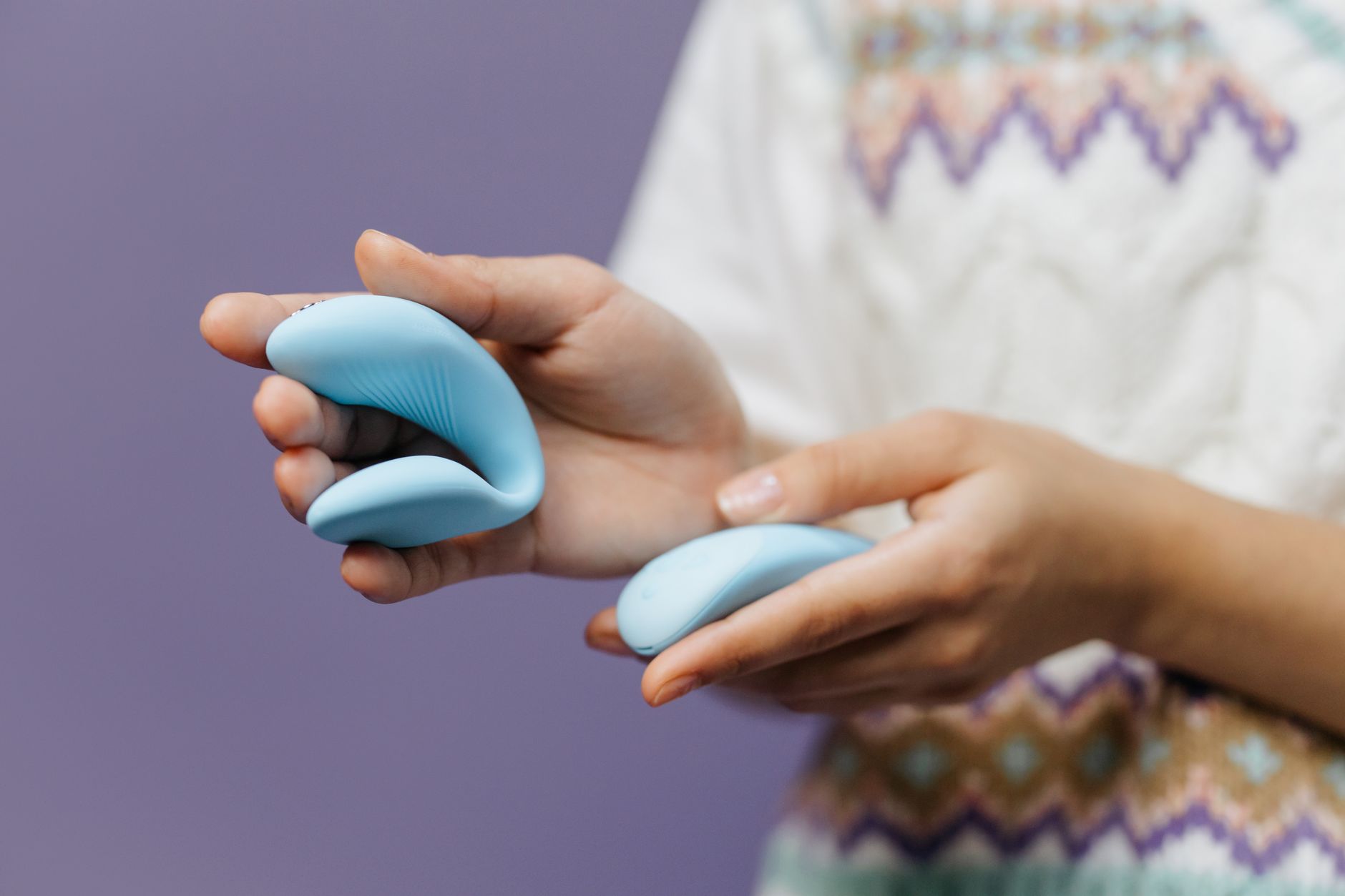
Here's the thing about lemon vibrators and other clitoral suction devices: they work with your nervous system rather than against it. When sensation is muted, a standard vibrator often feels like not much of anything. But suction creates a different kind of stimulation. It doesn't require your tissue to be hypersensitive to register something happening.
A lemon clitoral vibrator is also low-pressure literally and emotionally. There's no expectation to orgasm. There's no partner involvement unless you want it. You control the intensity completely. And the pattern options mean you can find exactly what your body is ready for that day.
After depression, that level of control matters enormously. You're rebuilding trust with your own body. A tool that lets you stop immediately, change patterns on a whim, or just sit with sensation without outcome is genuinely therapeutic.
First, separate "relearning pleasure" from "having an orgasm." Orgasm is not the goal right now. Sensation is the goal.
Set a time when you won't be rushed or interrupted. Depression recovery is fragile. You need mental safety as much as physical comfort. An hour where your brain isn't waiting for the next thing is ideal, but even 15 minutes of actual focus beats an hour where you're half-listening for your partner or your phone.
Start with the lem vibrator on the lowest setting. The Lemon Clitoral Vibrator has multiple patterns and speeds for exactly this reason. You're not looking for intensity. You're looking for novelty. Something that's clearly happening, but not overwhelming.
Touch your clitoris first with your fingers, skin to skin. Yes, this might feel weird or numb. That's okay. Let yourself feel weird about it. Notice what you notice without judgment. Then introduce the lemon vibrator on a gentle pattern. Try 2-3 minutes. That's it.
The goal is to remind your nervous system what pleasure feels like. Literally that. You're not training for performance. You're rebuilding literacy.
During depression, you might have had thoughts like "I'll never want sex again" or "my body is useless." Those beliefs don't evaporate when your brain chemistry improves. They linger as scar tissue.
When you're using a lemon vibrator and you're not feeling much, your brain might whisper: "See? You're broken." That's depression talking, not truth. Sensation returns on its own timeline. Sometimes it takes weeks. Sometimes it takes months. And sometimes it comes back incrementally, in surprising moments.
I recommend approaching it like you're a scientist studying your own body, not a critic evaluating its performance. Notice: Does sensation build after 3 minutes of the lem? Does a particular pattern feel different than another? Does mental focus matter? Is pressure more helpful than gentle touch? These are data points, not grades.
If you have a partner, let them know what you're doing and why. Not as an invitation to participate (unless you want that), but as context. "I'm reconnecting with my body after depression. It might feel awkward or unfamiliar. I need to do this at my own pace." Most partners respond with relief. They've been waiting for you to want to feel good again too.
After a few weeks, you might notice the lemon vibrator creates more noticeable sensation. That's your nervous system waking up. Gradually, you can explore slightly higher settings. Pattern 3 or 4 might start to feel interesting instead of just tolerable.
You might also notice arousal building more consistently. That's the real sign of recovery: your body remembering that pleasure is possible. Some days it won't happen. That's fine. Depression recovery isn't linear. But the baseline should slowly shift toward "arousal is sometimes accessible" instead of "arousal doesn't exist."
Don't push yourself into partnered sex before you feel genuinely curious about it. Obligatory sex during depression recovery is just another form of self-abandonment. If your partner is pressuring you, that's a different problem that might need couples work. If you're pressuring yourself, gently ask why. Curiosity and desire are different from duty and obligation.
Don't compare your recovery timeline to anyone else's. The internet is full of people who fucked their way out of depression. Excellent for them. Some people heal through solo pleasure. Some people need months of no sexual activity at all before they're ready. Your path is yours.
Don't interpret slow sensation return as failure. The clitoris has over 8,000 nerve endings. Depression numbs all of them. That takes time to reverse. Using the lem vibrator consistently will help, but there's no "right" speed.
If you're several months into recovery and sensation still hasn't improved at all, mention it to your therapist or doctor. Sometimes depression medication affects sexual response, and that's a conversation worth having. Sometimes there's an underlying medical factor. Sometimes you just need more time.
If using a lemon vibrator or any sexual tool triggers depressive symptoms (shame spirals, numbness returning, negative self-talk intensifying), pause and talk to your therapist about it. Pleasure shouldn't feel like work or punishment. If it does, something needs adjustment.
If you had sexual trauma before or during your depression, this process might be more complex. That's okay. Working with a sex-positive therapist alongside your regular therapy is genuinely helpful.
Desire returning after depression is a sign that you're healing. It's not weakness or frivolousness. It's your body's way of telling you it wants to be alive again. Using a lemon clitoral vibrator is one way to gently confirm that message to yourself.
Some people find that their pleasure after depression feels richer than before. The stakes feel lower. The desperation is gone. There's more room for play, curiosity, and self-compassion. That's not universal, but it happens. Your body might surprise you.
Start small. Be patient. Use the tools that help. And remember that reconnecting with pleasure is not selfish. It's recovery.
There's no fixed timeline. For some people, desire returns within weeks of starting medication or therapy. For others, it takes months. Much depends on depression severity, treatment response, and individual neurobiology. What matters is recognizing that desire returning is a process, not a switch. Using a lemon vibrator during this time can help you notice small improvements you might otherwise miss.
Completely normal. Depression often comes with messages like "you don't deserve good things" or "wanting pleasure is selfish." Those messages don't disappear instantly when your brain chemistry improves. Guilt is residue. Acknowledge it, then gently use the lem vibrator anyway. Pleasure during recovery is an act of self-respect, not selfishness.
Using a lemon vibrator itself won't trigger depression. But if the experience creates shame, pressure, or negative self-talk, that can be distressing. If you notice yourself slipping into depressive thoughts while exploring pleasure, pause and talk to your therapist. The goal is to build positive associations with your body, not to create new sources of pain.
That depends on your relationship dynamic and your comfort level. You don't owe anyone access to your solo pleasure practices. But if you share a bed and your partner has noticed your lowered libido, a brief conversation ("I'm exploring on my own to reconnect with my body, nothing to do with you") can reduce awkwardness. Many partners feel relieved that you're taking active steps toward feeling better.
Orgasm isn't the only marker of recovery. Increased sensation, easier arousal, and reduced numbness all count as progress. If orgasm remains elusive, that's worth discussing with your doctor or a sex therapist. Some antidepressants genuinely do affect orgasmic response, and there are solutions. But also: no orgasm isn't failure. Pleasure without orgasm is still pleasure.
Yes. Some antidepressants (particularly SSRIs) can dull sensation or delay orgasm. If you've recently started or changed medication and nothing feels like much, mention it to your prescriber. Often a small dosage adjustment or a different medication helps. In the meantime, the lem vibrator's range of patterns means you can keep exploring even if sensation feels muted.
Recovering from depression is hard. Rebuilding pleasure is part of that recovery, even though it doesn't always feel that way. Using a lemon vibrator isn't frivolous or shallow. It's a practical tool for reconnecting with your body and reminding your nervous system that good feelings are possible.
Your body's capacity for pleasure didn't disappear. It's just waiting for you to be ready to meet it again. Start gentle. Be patient. You're doing the work.